Choosing the best Soft Baby Diaper for bulk purchase requires more than comparing prices. A low unit cost may hide inconsistent sizing, weak fastening tabs, or delayed deliveries. Experienced buyers examine comfort, absorbency, materials, production capacity, and supplier reliability together. The diaper should feel gentle against a baby’s skin, without rough edges or a strong chemical odor. A practical evaluation starts with samples. Test them during daytime play, naps, and overnight use. Check whether the inner layer stays dry after several wettings. Look for leakage around the legs and waist. Small details matter.
Supplier verification also protects the purchase. Request clear material specifications, quality-control records, factory audit information, and independent test results when available. Confirm that the products meet recognized safety and labeling requirements in the destination market. Ask about batch consistency, minimum order quantities, packaging, replacement policies, and delivery schedules. A trustworthy manufacturer should answer directly and provide traceable documentation. Promises alone are not enough.
Bulk buying still involves uncertainty. Even a well-tested diaper may perform differently across sizes or production batches. That point deserves attention. Keep retained samples from approved shipments, and record absorbency, weight, dimensions, and packaging condition. A small trial order can reveal problems before a large commitment. The best Soft Baby Diaper is not simply the softest option. It is a balanced choice that protects infant comfort, supports dependable supply, and gives buyers evidence for every important decision.
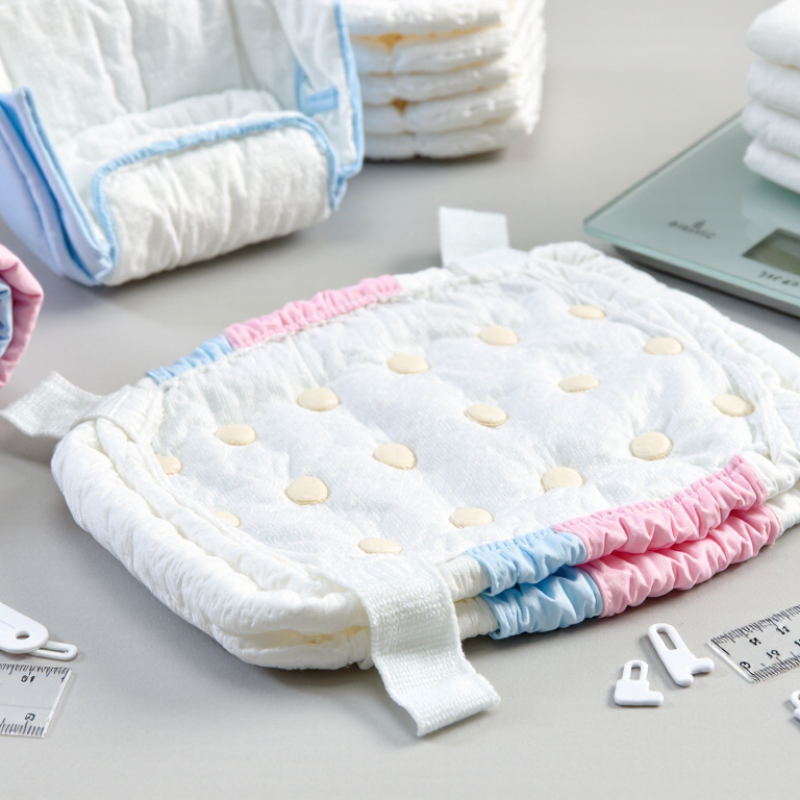
How to Choose the Best Soft Baby Diaper for Bulk Purchase?
A newborn may use 8–12 diapers each day, especially during the first weeks. That equals roughly 240–360 diapers each month. However, this number can change with feeding, sleep patterns, and bowel movements. My first estimate was too neat. A safer bulk plan leaves room for unexpected changes. Buy a smaller trial quantity before ordering several cartons. Check softness, waistband flexibility, leg cuffs, and the inner surface after a few hours of use. A diaper should feel gentle, but softness alone does not prove good performance.
Look closely at absorbency during daytime and overnight use. Place one diaper in a changing bag, then inspect its shape after use. Excessive swelling, dampness, or red marks deserve attention. Newborn sizes can become tight quickly, so avoid storing every diaper in one size. Keep cartons sealed in a dry, cool room, away from direct sunlight. Review the package count carefully. A lower unit price may not help if many diapers remain unused.
Tips: Track daily use for seven days. Record leaks, skin marks, and size changes. Compare several samples under the same conditions. Ask the supplier about manufacturing consistency, packaging protection, and quality checks. Do not rely only on online descriptions. A calm trial often reveals more than a large discount.
Choosing a soft baby diaper for bulk purchase requires more than touching one sample. Softness should be checked on the topsheet, leg cuffs, and waistband. A smooth surface matters, but flexibility matters too. A stiff cuff can leave red marks during movement.
Use EDANA NWSP test procedures to compare absorbency and leakage fairly. Ask for the exact method, test version, liquid volume, pressure, and sample count. Absorption time shows how quickly liquid moves away from the skin. Absorption under pressure indicates performance when the baby sits or sleeps. Rewet testing measures how much moisture returns to the surface. Lower rewet is usually preferable.
Leakage needs practical testing. Check liquid retention, core distribution, and side leakage after repeated loading. Test different sizes and positions, including a sleeping baby’s back and a crawling baby’s legs. Laboratory results are useful, but they cannot replace fit checks. A diaper may perform well under pressure yet leak because the leg opening is too loose. This is easy to miss.
For bulk purchasing, request independent laboratory records and production samples from different batches. Compare at least three sample groups under identical conditions. Record softness ratings, absorption time, rewet weight, and leakage observations. A trained panel can assess softness, although personal preference still affects results. That weakness should be acknowledged. Cost per unit also matters, but a cheaper diaper creates waste if returns and complaints increase. Perform a small trial before approving the full order.
Comparison of softness, absorbency, and leakage resistance using procurement-screening metrics aligned with EDANA NWSP test principles.
Sample C provides the highest softness score, while Sample B delivers the strongest absorbency and leakage resistance. Softness is rated on a 1–5 sensory scale; absorbency is reported in grams of liquid retained; leakage resistance is shown as the pressure threshold before leakage. Final bulk-purchase decisions should be confirmed with standardized laboratory results from the selected production lot.
When choosing soft baby diapers for bulk purchase, examine the materials before comparing prices. A gentle surface should feel smooth, flexible, and free from harsh chemical odors. OEKO-TEX Standard 100 certification adds an important layer of evidence. It confirms that tested textile components have been examined for harmful substances.
Look for certification covering every relevant part, including the topsheet, backsheet, elastic areas, and absorbent materials. For newborn products, Product Class I is especially relevant because it is designed for babies and toddlers.
Request the certificate number, issue date, and product scope from the supplier. Then verify those details through the official certification database. Do not rely on a printed logo alone.
Check samples from different production batches. Certification supports chemical safety, but it does not guarantee softness, leak protection, or perfect fit.
Touch the inner layer with clean hands. Inspect stitching, elastic pressure, and the diaper’s surface after gentle washing.
A practical mistake is judging quality from one attractive sample. Bulk production can vary. Ask for retained samples and written quality records.
The certificate may also expire or exclude certain components. Read carefully. Combine certification checks with independent laboratory testing when the order is large.
This creates a more reliable purchasing decision and shows responsible attention to a baby’s sensitive skin.
A certificate helps. It is not the whole answer.
How to Choose the Best Soft Baby Diaper for Bulk Purchase?
Choosing diaper sizes by age alone can create costly inventory problems. Manufacturers usually define each size by weight ranges, waist measurements, and leg-fit data. These figures should guide your purchase more than attractive packaging claims. A 6-kilogram baby may fit one size comfortably but need another if the waist is fuller. Body shape matters.
Request the latest size chart before ordering. Check the minimum and maximum weight, waist width, rise, and leg opening for every size. Compare these measurements with your target customers’ growth patterns. A soft diaper should sit gently around the thighs without leaving deep red marks. It should also stay secure when the baby crawls or sleeps. Absorbency testing matters too, especially for overnight use. Some fit charts look precise, but manufacturing tolerances can still affect comfort.
Tips: Order samples across several sizes, not just one. Test them on babies with different body shapes and record leakage, movement, and skin comfort. Leave a small quantity for repeated checks because softness may change after storage. A chart is not a promise. It is only a starting point. Recheck supplier data when materials, absorbent cores, or elastic designs change. Bulk savings can disappear when a large size range remains unsold. This part is easy to underestimate.
| Diaper Size | Typical Manufacturer Weight Range | Approximate Waist Fit* | Approximate Rise* | Recommended Fit Position | Signs the Size Fits Well | Signs to Move Up a Size | Bulk-Purchase Planning Guidance |
|---|---|---|---|---|---|---|---|
| Newborn (NB) | Up to 10 lb (up to 4.5 kg) |
Up to approximately 15 in (38 cm) |
Approximately 12–15 in (30–38 cm) |
Front sits below the umbilical area; fasteners should remain centered. | A snug seal forms around both legs without red marks. The diaper does not cover the umbilical stump. | Frequent gaps at the legs, visible compression around the waist, or the front panel no longer sits below the navel. | Purchase conservatively because many babies outgrow this size quickly. Consider a smaller opening order and flexible replenishment. |
| Small (S) | 8–14 lb (3.6–6.4 kg) |
Approximately 14–18 in (36–46 cm) |
Fasteners should close symmetrically without excessive overlap. | Waistband lies flat, leg cuffs follow the creases, and the baby can move without persistent leakage. | Tabs are near their outer limit, the waistband curls, or leaks occur despite correct positioning. | Keep the quantity moderate unless the expected user group is concentrated in the lower-weight range. |
| Medium (M) | 12–18 lb (5.4–8.2 kg) |
Approximately 16–20 in (41–51 cm) |
Use the full rise of the diaper while keeping the absorbent core centered. | Elastic gathers sit in the natural leg crease, and the diaper remains secure during crawling or rolling. | Red marks remain after removal, the absorbent core shifts, or the diaper sags significantly when wet. | Often suitable for a larger share of a mixed-size order because babies may remain in this range longer than NB or S. |
| Large (L) | 16–28 lb (7.3–12.7 kg) |
Approximately 18–22 in (46–56 cm) |
Position the back panel evenly and check that the leg cuffs are fully pulled out. | The diaper stays in place during active movement, with no open channels between the leg cuff and skin. | The diaper cannot reach the recommended fastening zone, leaves deep marks, or develops repeated side leakage. | Plan a substantial quantity for mixed infant and toddler demand, but avoid overcommitting without local consumption data. |
| Extra Large (XL) | 22–37 lb (10.0–16.8 kg) |
Approximately 20–24 in (51–61 cm) |
Use a secure waist setting while allowing enough room for standing and walking. | The core remains centered, the toddler can walk comfortably, and the waistband does not roll down. | Fasteners barely reach the attachment zones, leakage occurs at the back, or movement is restricted. | Include adequate stock for active toddlers, while checking whether the selected product offers a sufficiently long rise. |
| XXL / Toddler | 32 lb and above (14.5 kg and above) |
Approximately 22–26 in (56–66 cm) |
Confirm that the diaper covers the entire absorbent area without restricting the hips. | Waist and leg seals remain close to the body while the child can sit, walk, and bend freely. | The diaper gaps at the back or legs, the waistband rolls repeatedly, or the child shows discomfort during movement. | Order only after reviewing actual demand because weight ranges and availability vary substantially in larger sizes. |
| Important purchasing note: Weight ranges and fit measurements are representative reference points commonly used in disposable diaper sizing, not universal specifications. Actual fit varies with body shape, diaper cut, stretch, absorbent-core thickness, and fastening design. Before placing a large order, request samples, test leakage and skin comfort, and compare the supplier’s actual size chart with the intended user group. | |||||||
When buying soft baby diapers in bulk, compare the cost per usable diaper, not the carton price. Divide the complete order cost by the units that pass inspection. Include freight, storage, testing, and expected rejects. A low-priced shipment may contain crushed packs, uneven sizing, or weak fastening tabs. Those defects increase the real cost.
Test samples from different cartons before signing a large order. Check softness, absorbency, leakage resistance, and skin contact areas. Record results under consistent conditions. Some diapers feel soft but absorb slowly during overnight use. That matters. Keep a small reserve for retesting, because first impressions can be misleading.
Shelf life also affects purchasing decisions. Request manufacturing dates, recommended storage conditions, and packaging specifications. Heat and humidity can damage elastic materials and adhesive performance. Use older inventory first, and avoid storing cartons directly on damp floors. Supplier capacity requires equal attention. Ask for monthly output, normal lead times, raw material sources, and peak-season production plans. Review previous delivery records when available. A supplier may promise high capacity but lack backup equipment or labor. I have seen forecasts fail when demand rose suddenly. A written production schedule and realistic safety stock can reduce that risk. Still, no plan is perfect, so review performance after every shipment.
Not always. Use weight, waist width, rise, and leg opening. A six-kilogram baby may need different sizes. Body shape matters.
Request the latest size chart. Check minimum and maximum weights carefully. Ask for waist, rise, and leg measurements. Data can change.
Order samples across several sizes. Test babies with different body shapes. Check thigh marks, movement, leakage, and skin comfort. Watch crawling and sleeping.
It should feel gentle against the skin. It also needs steady absorbency and leakage resistance. Test it during longer use. Softness alone is not enough.
Divide the complete order cost by usable diapers. Include freight, storage, testing, and rejected units. A cheap carton may cost more later. Defects matter.
Check crushed packs, uneven sizing, weak tabs, and damaged packaging. Compare samples from different cartons. Record results under consistent conditions. First impressions can mislead.
Ask for manufacturing dates and storage requirements. Heat and humidity may weaken elastic materials and adhesives. Keep cartons off damp floors. Use older stock first.
Ask about monthly output, lead times, materials, and peak-season plans. Review previous delivery records when possible. Request a written production schedule. Forecasts can fail.
Keep a small quantity for repeated checks. Softness may change during storage. Recheck products when materials or elastic designs change. A chart is only a starting point.
Choosing the best Soft Baby Diaper for bulk purchase starts with estimating realistic usage. Newborns may need approximately 8–12 diapers per day, so buyers should calculate order quantities based on the number of babies, expected usage period, storage conditions, and supplier capacity. Product quality should be compared through softness, absorbency, and leakage performance, using consistent EDANA NWSP testing data whenever available. These measurements help buyers evaluate comfort and protection more objectively rather than relying only on appearance or marketing claims.
Material safety is also essential. Look for products supported by OEKO-TEX Standard 100 certification and review the materials used in the absorbent core, top sheet, fastening system, and back sheet. Diaper sizes should match the manufacturer’s recommended weight ranges and fit information to reduce gaps, pressure, and leakage. Finally, calculate the cost per usable diaper, considering defects, shelf life, packaging, storage, and replacement needs. A reliable supplier should offer stable quality, clear specifications, scalable production, and consistent delivery for future orders.

Bangbao