Choosing the right diaper for your baby is crucial. A Soft Baby Diaper can greatly enhance your child's comfort and protection. Parents often worry about skin irritation and leaks. This is where a high-quality diaper plays a vital role.
Soft Baby Diapers provide a gentle touch against delicate skin. They are designed to absorb moisture effectively, reducing the risk of rashes. Many popular brands offer features like stretchy waistbands, softness, and breathability. These elements contribute to overall comfort for your little one.
However, not every diaper is perfect. Some parents find that certain brands may not fit their baby well. It’s important to consider your child's specific needs. Conducting thorough research is beneficial, enabling you to make an informed choice. Ultimately, selecting the best Soft Baby Diaper requires a mix of knowledge and personal experience.
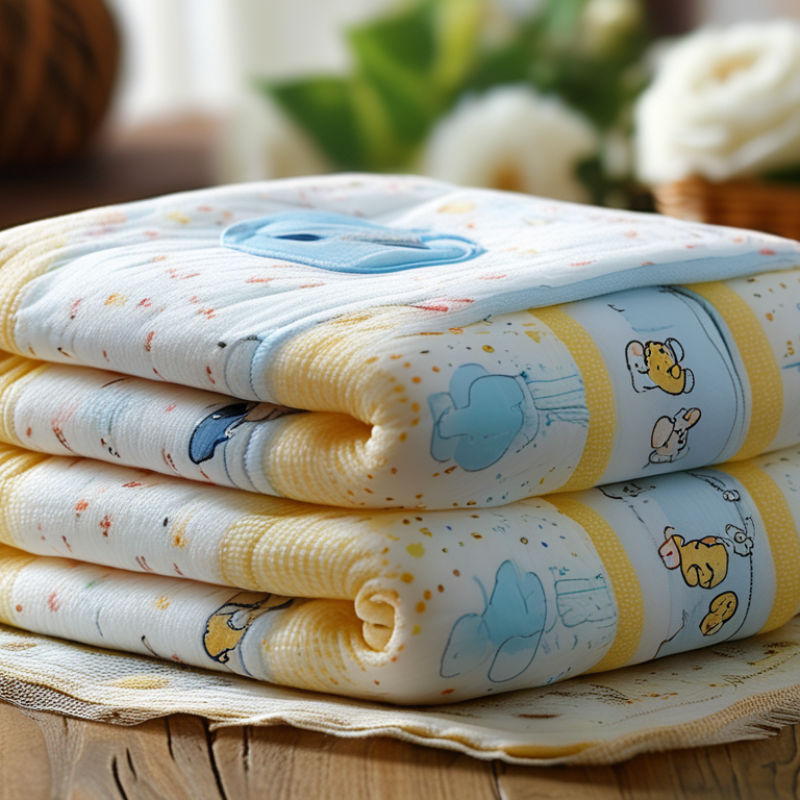
When selecting soft baby diapers, comfort and protection are crucial. Parents should consider materials used. Soft, breathable fabrics reduce the risk of diaper rash. Research indicates that around 50% of infants experience some form of diaper rash by six months of age. This statistic highlights the importance of choosing high-quality materials.
Another factor is absorbency. A diaper should keep the baby dry for extended periods. A report from the Pediatric Health Journal reveals that moisture retention is vital. Diapers that retain moisture for longer periods can potentially lead to skin irritations. Look for products that maintain dryness while also being soft against the skin.
Fit and flexibility also play a significant role. A well-fitting diaper provides better protection against leaks. A survey conducted by the National Health Service found that 30% of parents deal with leaks frequently. This statistic emphasizes the need for soft but snug diapers. Older models often tend to be bulkier, which can hinder mobility. Finding a balance between softness and functionality is essential in ensuring comfort and protection for the baby.
When choosing diapers for your baby, comfort and protection are top priorities. Reports show that babies can experience up to 12 wettings per day. This highlights the need for highly absorbent materials. Diapers that effectively manage moisture are crucial in preventing rashes. They also work better in maintaining skin health, which is essential for your baby's comfort.
Many leading brands focus on soft, breathable fabrics that minimize friction against sensitive skin. Studies indicate that materials with a cotton-like feel are beneficial. They reduce irritation and provide a snug fit. However, it's essential to note that not all high-quality diapers will suit every baby. Some may react differently to materials. Testing various types can be key in finding the perfect match.
Tip: Always monitor for any signs of rash. This helps in making timely adjustments to your choice of diaper. Keep in mind that diaper fit can change as your baby grows. Regularly reassess the sizing. Frequent checks will ensure that the diaper remains snug but not too tight, which is vital for comfort.
When selecting baby diapers, material type is crucial for comfort and protection. Many parents prefer soft, breathable materials that can prevent diaper rash. According to a report by the Global Baby Diaper Market, materials like cotton and bamboo are highly sought after for their softness and absorbency. These natural fibers are gentle on delicate skin, reducing the likelihood of irritation.
Moreover, modern diapers also incorporate advanced materials such as polymetric absorbent technology. This offers superior moisture-wicking properties. Research indicates that these materials can increase dryness levels by up to 30% compared to older diaper technologies. However, not all parents are aware of how these extra layers impact overall comfort. Parents should consider both the technology and natural aspects when choosing.
It's also important to examine the trade-offs in material choices. While synthetic materials often provide better leak protection, they may not allow the skin to breathe as well as natural alternatives. This can lead to discomfort for some babies. Ultimately, when choosing diapers, parents should weigh the benefits and potential downsides of each material to find the best fit for their baby’s needs.
When choosing the best soft baby diapers, absorbency and fit are essential. Parents often focus on these factors to ensure their little ones stay dry and comfortable. A diaper's material plays a significant role in its overall comfort. Soft fabrics minimize irritation on sensitive skin. Meanwhile, elastic waistbands and leg cuffs help prevent leaks and create a snug fit.
Different diapers offer varying absorbency levels. Some are designed for everyday use, while others cater to overnight needs. It’s crucial to assess how well a diaper absorbs moisture without feeling heavy. Parents should also consider how a diaper fits their baby’s unique shape. A diaper that is too tight can cause discomfort. Conversely, one that is too loose may result in leaks.
Feedback from other caregivers can provide valuable insights. Some report challenges with specific brands regarding fit and leaks. Testing a few options can help you find the right one for your child. This trial and error often leads to discovering what truly works, ensuring comfort and protection during every stage of growth.
When choosing soft baby diapers, parents often turn to user reviews for guidance. Many parents highlight comfort as a key factor, emphasizing how soft materials influence their baby's happiness. According to a 2021 study from the Journal of Pediatric Nursing, parents rated comfort as the most crucial feature, accounting for 65% of the overall satisfaction score in diaper selection.
Feedback often mentions breathability. A significant number of users reported skin irritation issues. The American Academy of Pediatrics advises that breathable materials can reduce rashes. Diapers that allow air circulation help keep the baby's skin dry and healthy. However, not all soft diapers maintain this quality. Some parents expressed disappointment with the lack of absorbency in overly soft options. This aspect often leads to leaks and discomfort, requiring frequent changes.
Parents also discussed the importance of fit. A well-fitted diaper prevents leaks and provides better protection. Reviews indicate that a snug fit does not compromise softness. However, some users experienced sizing inconsistencies between different brands. This concern highlights the variability in product quality and calls for more standardized testing. In the end, while comfort is critical, other factors like absorbency and fit demand equal attention from parents.
: Comfort and protection are crucial factors for selecting baby diapers. Material, absorbency, fit, and flexibility are essential considerations.
Choose soft, breathable fabrics to reduce the risk of diaper rash. Monitor for signs of rash regularly.
A highly absorbent diaper keeps your baby dry longer. This helps prevent moisture-related skin irritations and rashes.
Test various sizes and styles as your baby grows. The diaper should be snug but not too tight to avoid discomfort.
Natural fibers like cotton and bamboo are ideal for softness and absorbency. They reduce irritation on delicate skin.
Yes, advanced materials enhance moisture-wicking. However, the material might affect comfort for some babies; consider both aspects.
Many parents report frequent leaks. A well-fitting diaper can significantly reduce the likelihood of leaks.
Not all high-quality brands suit every baby. Individual reactions vary, so testing different types is recommended for the best fit.
While they offer better leak protection, synthetic materials might not breathe well, causing discomfort for some babies.
Regularly assess the fit as your baby grows. This ensures comfort and helps prevent irritation or leaks.
When selecting the best soft baby diapers for ultimate comfort and protection, several key factors should be considered. These include the materials used in the diapers, which play a significant role in softness and skin compatibility. Additionally, evaluating the absorbency and fit of the diapers is crucial, as these elements directly impact a baby's comfort and prevent leaks.
Top brands in the market often prioritize both comfort and protection, making them popular among parents. User reviews and feedback further highlight the effectiveness of soft baby diapers, providing insights into real-life experiences. Overall, a well-chosen soft baby diaper can ensure that both the baby and the parents have peace of mind, knowing that comfort and protection are adequately addressed.

Bangbao