China Best Ultra Thin Diaper Suppliers for Global Buyers?

Time:2026-10-10 Author:Oliver
0%

China has become a major sourcing base for buyers seeking reliable Ultra Thin Diaper suppliers. Its manufacturers combine absorbent-core engineering, breathable backsheet films, elastic systems, and automated production lines. The strongest factories also provide private-label development, sample testing, and export documentation.

Market data supports this growing interest. Fortune Business Insights valued the global baby diaper market at approximately USD 83.5 billion in 2023. It projects continued expansion through 2032, driven by urbanization, premium products, and improved infant-care awareness. Grand View Research also identifies thinner designs, skin comfort, and higher absorbency as important product-development priorities. However, these reports usually group several diaper categories together. Their figures should not be treated as precise Ultra Thin Diaper statistics.

Behnam Pourdeyhimi, a leading nonwoven-materials researcher, has emphasized that “nonwovens are engineered materials, not simply fabrics.” That principle matters when evaluating Chinese suppliers. Thinness alone does not guarantee performance. A diaper with a narrow core may feel light but leak during overnight use. Buyers should inspect SAP distribution, acquisition time, rewet results, tensile strength, and packaging consistency. Test samples under realistic conditions, including movement and extended wear.

The sourcing process is not perfect. Supplier websites may show impressive machines, yet provide limited factory data. Certifications also require verification, not assumptions. Serious buyers should request recent laboratory reports, production videos, material specifications, and independent quality checks before placing large orders. The best China supplier is not always the cheapest. It is the partner that can repeat the same thin, dry, comfortable result at commercial scale.
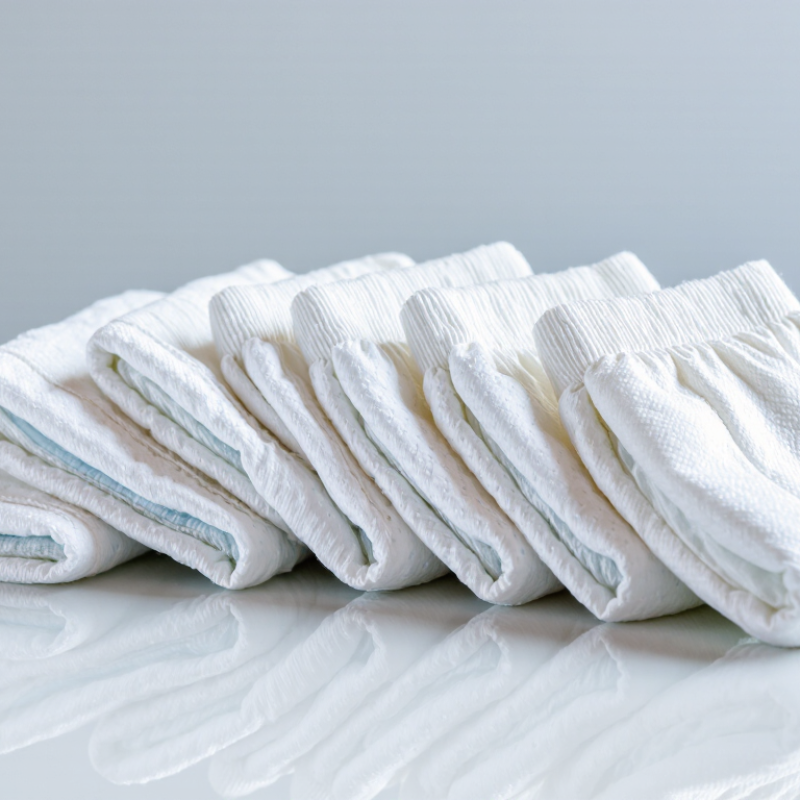
China Best Ultra Thin Diaper Suppliers for Global Buyers?

What Defines an Ultra-Thin Diaper for Global Markets

What Defines an Ultra-Thin Diaper for Global Markets

An ultra-thin diaper is not simply a smaller product. It combines a slim absorbent core, fast fluid acquisition, low rewet, and reliable leakage control. EDANA’s absorbent hygiene guidelines emphasize practical tests, including retention, acquisition speed, and rewet performance. These measures matter more than thickness alone.

Recent Smithers market analysis identifies comfort, convenience, and material efficiency as major forces shaping global hygiene products. However, a thinner core can lose capacity when compressed or poorly distributed. That is an uncomfortable detail for suppliers. Buyers should request test results under pressure, repeated wetting, and overnight conditions. ISO 11948-1 can support standardized absorption comparisons, while laboratory data should still be checked through real-user trials. A diaper may perform well in a test room and disappoint during active sleep.

Tips: Ask suppliers for core weight, SAP distribution, rewet data, and leakage results. Compare samples in the target climate. Humidity changes material behavior. Check waist stretch, leg-gathering recovery, and breathable backsheet performance. Do not accept “ultra-thin” as a complete specification. It is a marketing phrase unless supported by measurable results.

For global buyers, manufacturing consistency is equally important.

Inspect batch variation, sealing strength, raw-material traceability, and quality-control records. Supplier experience helps, but evidence should lead the decision. One overlooked issue is packaging compression during long-distance shipping. Thin products can arrive flatter, yet not always better.

Key Standards for Evaluating Chinese Diaper Suppliers

China Best Ultra Thin Diaper Suppliers for Global Buyers?

Evaluating Chinese diaper suppliers requires more than comparing quoted prices. Grand View Research estimated the global baby diaper market at approximately USD 83 billion in 2023, with continued growth expected through 2030. This scale increases competition, but it also rewards disciplined sourcing. Ask suppliers for recent test reports covering absorbency, rewet, leakage, pH, and skin-contact safety. ISO 9073 methods can support nonwoven testing, while ISO 2859-1 offers a recognized sampling approach for quality inspections. A supplier should explain these standards clearly, not simply attach a certificate.

Production consistency matters.

During factory reviews, inspect pulp storage, adhesive controls, sealing temperature, and finished-carton protection. Request three consecutive production samples, not one attractive prototype. Compare core weight, elastic recovery, waist fit, and overnight absorbency under identical conditions. EDANA’s hygiene-industry guidance emphasizes performance testing and responsible material management, yet supplier claims still need independent verification. Factory capacity can look impressive on paper. It may not match peak-season reality.

Tips: Check certificates directly with issuing laboratories. Confirm report dates, tested product codes, and factory addresses. Require an approved reference sample before mass production. Also review complaint rates and corrective-action records. These details often reveal more than a polished showroom. A useful weakness remains: laboratory results may not reflect every baby’s movement or skin sensitivity. Buyer trials with real users are still necessary, provided privacy and safety are respected.

China Best Ultra Thin Diaper Suppliers for Global Buyers? – Key Standards for Evaluating Chinese Diaper Suppliers

A practical, brand-neutral evaluation framework for comparing Chinese ultra-thin diaper suppliers. Numeric purchasing targets are buyer benchmarks, while regulatory and testing references should be confirmed for the destination market and product category.

Evaluation Dimension What Global Buyers Should Check Recommended Data or Acceptance Benchmark Relevant Standard or Evidence Why It Matters for Ultra-Thin Diapers
Product Thickness Measure the compressed core and finished product thickness at a defined pressure and test location. Record thickness in millimetres under a documented test method. Compare like-for-like sizes and constructions rather than relying on the term “ultra thin.” Supplier test method, approved sample specification, and third-party verification where required. Lower thickness can improve comfort and packaging efficiency, but it must not reduce absorbency, leakage protection, or structural integrity.
Absorption Capacity Review total absorption, rewet, acquisition speed, and retention after pressure. Set separate buyer limits for total absorption and rewet by size and product type. Do not use total absorption alone as the product-performance indicator. ISO 15621 provides general guidance for testing absorbent incontinence products; the buyer should approve the exact laboratory method and conditioning procedure. Ultra-thin products generally require efficient distribution layers and absorbent-core design to maintain dryness with less bulk.
Absorbent Core Design Verify the basis weight, superabsorbent polymer distribution, fluff-pulp content, core dimensions, and channel structure. Require a controlled bill of materials and batch-to-batch weight tolerances. Any material substitution should require written approval. Approved product specification, incoming-material inspection records, and production batch records. Core consistency directly affects absorption speed, leakage risk, product thickness, and performance after movement or compression.
Leakage Protection Assess leg cuffs, standing gathers, waistband construction, backsheet sealing, and leakage under movement. Use simulated-use leakage tests with defined liquid volume, application rate, body position, and time interval. Establish a zero-critical-leak requirement for shipment approval. Buyer-approved laboratory protocol, production inspection plan, and retained-sample testing. A thin diaper is commercially unsuitable if it fails during overnight use, sitting, crawling, walking, or changes in body position.
Skin Contact Safety Review the safety of topsheet, elastics, adhesives, inks, lotions, fragrances, and processing residues. Require declarations for restricted substances and test reports from competent laboratories. Clearly disclose fragrances, lotions, latex, and other intentionally added substances. Destination-market chemical and product-safety rules, including applicable EU REACH requirements or local equivalents. Skin-contact materials are a major risk area for infants and sensitive users, especially when the product is worn for extended periods.
Hygiene and Microbiology Check factory hygiene zoning, environmental monitoring, microbial controls, pest control, and finished-goods handling. Require documented hygiene procedures, traceable sanitation records, and a defined microbial testing plan appropriate to the destination market. Applicable national hygiene requirements, including relevant Chinese disposable sanitary-product requirements and importing-country rules. Disposable diapers are used close to sensitive skin; poor environmental controls can create safety, odor, and claim risks.
Quality Management System Verify documented procedures for incoming inspection, in-process controls, final inspection, nonconformity handling, and corrective action. Prefer a current ISO 9001 certificate issued for the relevant manufacturing site, supported by an audit report and certificate-scope verification. ISO 9001:2015 quality-management-system certification, where applicable. A certificate alone does not guarantee product quality; site audits and product-specific records are still necessary.
Raw-Material Traceability Track nonwoven fabric, SAP, fluff pulp, elastics, adhesives, packaging film, and labels from receipt through finished goods. Each production lot should be linked to material batches, machine or line, production date, operators, inspection results, and shipment records. Lot-control procedure, ERP or paper-based traceability records, and mock-recall evidence. Traceability enables fast containment if a material defect, contamination issue, or customer complaint occurs.
Manufacturing Capacity Confirm the number of relevant production lines, operating shifts, effective output, maintenance plan, and peak-season capacity. Request capacity in pieces per month for the exact product specification, not only the factory’s total nominal capacity. Validate with production records. Factory audit, production schedule, line list, maintenance records, and recent output history. Ultra-thin designs may require specific core-forming, SAP-dosing, or high-speed converting capabilities that are not available on every line.
Minimum Order Quantity Compare minimum order quantities for standard products, custom packaging, private-label designs, and new tooling. Obtain a written MOQ by size, pack configuration, artwork version, and material specification. Treat MOQ as a commercial term, not a quality indicator. Quotation, purchase agreement, packaging specification, and approved artwork. Lower MOQs can reduce inventory exposure, while higher MOQs may support better unit economics and dedicated production planning.
Sampling and Pilot Run Evaluate whether the supplier can produce production-representative samples before mass manufacturing. Approve a sealed sample, written specification, pre-production sample, and pilot-run report before bulk production. Golden sample, signed technical agreement, inspection checklist, and deviation-approval process. Samples made by hand or on a laboratory machine may not represent mass-production thickness, bonding, or leakage performance.
Packaging and Labeling Check packaging strength, moisture protection, carton compression, barcode readability, language, warnings, and required declarations. Approve artwork and packaging specifications before production. Verify carton dimensions, gross weight, pack count, and pallet configuration. Destination-market labeling rules, buyer artwork approval, barcode verification, and packaging inspection records. Correct packaging protects thin products from moisture and compression damage and prevents customs or retail-delivery problems.
Export Documentation Assess the supplier’s ability to provide commercial invoices, packing lists, certificates of origin, test reports, and shipping documents. Require a document checklist with responsible personnel, document deadlines, and consistent product descriptions across all export documents. Purchase contract, destination customs requirements, and freight-forwarder documentation checklist. Complete and consistent documents reduce clearance delays, misclassification risk, and disputes over shipment contents.
Inspection and Defect Control Review the supplier’s sampling plan, critical-defect definition, in-line checks, and final-release process. Define acceptance criteria in the purchase agreement, including appearance, dimensions, absorbency, sealing, count, packaging, and contamination controls. Buyer-specific quality agreement, AQL-based inspection plan where appropriate, and independent pre-shipment inspection. Clear acceptance criteria prevent disagreements caused by subjective terms such as “soft,” “thin,” or “premium quality.”
Commercial Reliability Review lead time, on-time delivery history, payment terms, complaint response, and corrective-action speed. Track on-time delivery and complaint-closure performance using documented records. Require written corrective action for repeated nonconformities. Purchase-order history, supplier scorecard, corrective-action reports, and reference checks without relying solely on testimonials. Reliable communication and delivery are essential when buyers manage seasonal demand, retail launches, or regulated-market replenishment.
Sustainability Claims Verify claims such as biodegradable, compostable, recyclable, chlorine-free, or reduced-plastic packaging. Accept environmental claims only when supported by a defined claim scope, material evidence, and relevant third-party testing or certification. EN 13432 is relevant to industrially compostable packaging claims, not automatically to the entire finished diaper. Environmental claims must describe the tested component and disposal conditions accurately to avoid greenwashing and regulatory exposure.
Supplier Evaluation Score Use a weighted score rather than selecting a supplier solely on price or product thickness. Suggested weighting: product performance 30%, safety and compliance 25%, quality system 15%, manufacturing capability 10%, delivery reliability 10%, commercial terms 10%. Weights should be adjusted for the destination market, user group, certification needs, order volume, and risk profile. A balanced scorecard helps identify suppliers that can deliver consistent, compliant, and commercially viable ultra-thin diapers.

Leading Manufacturing Regions and Supplier Capabilities in China

China Best Ultra Thin Diaper Suppliers for Global Buyers?

China’s main diaper manufacturing strength is concentrated along its eastern and southeastern coast. Guangdong offers efficient converting lines and strong export logistics. Fujian is well known for hygiene-material production and flexible private-label manufacturing. Zhejiang and Jiangsu often provide automated equipment, absorbent-core technology, and wider production capacity. Regional advantages differ, so location alone should not determine a purchasing decision.

Capable suppliers should explain their diaper structure clearly. Ask about the topsheet, acquisition layer, absorbent core, backsheet, elastic system, and packaging process. Reliable factories can provide material specifications, test records, production samples, and traceable batch information. Factory audits should check clean-room control, storage conditions, inspection routines, and worker training. A polished showroom is not enough.

Ultra-thin performance depends on balance, not appearance. A diaper may feel slim but lose stability after liquid absorption. Buyers should test rewet, leakage resistance, fit, softness, odor, and packaging strength. Request samples from different production batches. Small differences can reveal process weakness. No supplier is perfect. Even experienced factories may need adjustment for climate, sizing, or packing methods. Clear specifications and repeated testing usually create a more dependable partnership.

How to Compare Products, Certifications, Prices, and Minimum Orders

China Best Ultra Thin Diaper Suppliers for Global Buyers?

Comparing ultra thin diapers starts with performance, not appearance. Request samples in several sizes and record absorption time, rewet, leakage, softness, and waistband recovery. A diaper that feels thin may use less absorbent material. It can fail during overnight use. Ask for the absorbent core structure, material weights, and production tolerances. Test samples after controlled liquid absorption, not only by hand.

Certifications require careful checking. Ask whether documents belong to the factory, the raw material, or the finished diaper. Useful evidence may include ISO 9001, OEKO-TEX testing, pulp sourcing documents, and laboratory reports for skin contact materials. Requirements vary by destination, so confirm them with an independent testing body. A certificate without a matching product model is a warning sign. Product consistency matters more than a polished file.

Price comparisons should include packaging, inspection, inland transport, shipping terms, and payment conditions. Request a price at the same size, absorbency level, packing method, and order quantity. Minimum orders can range widely, especially for custom prints and packaging. Negotiate a smaller trial order, but accept that it may carry a higher unit cost. I have seen buyers choose the lowest quotation and later pay for weak cartons, delayed replacements, or inconsistent sizing. Factory audits, production photos, and sealed batch samples reduce that risk, though they cannot replace independent inspection.

Steps for Sourcing, Auditing, and Importing Ultra-Thin Diapers Safely

China-based ultra-thin diaper sourcing needs more than a low quotation. Grand View Research reported that the global baby diapers market reached approximately US$83 billion in 2023. This scale attracts capable factories, but also uneven quality. Request factory registration, production capacity, export history, and recent third-party test reports. Ask for a live video audit or an independent inspection. Photos are not enough.

Check the absorbent core, topsheet, backsheet, adhesives, and elastic materials separately. ISO 11948-1 testing can measure total liquid absorption. Also verify leakage, rewet, skin irritation, odor, and dimensional consistency. Request batch-level certificates of analysis, not generic documents. A practical audit should sample products from several cartons. Record the lot number, production date, and machine line. Small details matter.

Use a written specification with thickness, weight, absorbency, packaging, tolerances, and labeling requirements. Intertek’s global consumer-product reporting repeatedly identifies documentation and traceability as common supply-chain weaknesses. That matches my experience. One approved sample cannot represent every shipment. Pre-shipment inspection should use an agreed AQL plan, while independent laboratory testing should confirm key safety indicators. Import files should include the commercial invoice, packing list, bill of lading, origin documents, and required conformity records. Keep packaging dry during transport. Moisture can damage adhesive performance before arrival. I once underestimated carton compression. The diapers passed laboratory testing but arrived with crushed retail packs. Supplier selection is never finished at the factory gate.

Selected Chemical-Safety Benchmarks for Ultra-Thin Diaper Imports

These regulatory reference values can be included in supplier specifications, laboratory test plans, and pre-shipment audits. Confirm the applicable rules for the destination market before importing.

Reference benchmarks: U.S. CPSC limits lead in paint and surface coatings to 90 ppm, lead in children's products to 100 ppm, and regulated phthalates to 0.1% (1,000 ppm). Actual diaper compliance requirements depend on product classification and destination-market legislation.

FAQS

What makes a diaper genuinely ultra-thin?

It needs a slim absorbent core, fast fluid intake, low rewet, and dependable leakage control. Thickness alone proves little.

Why should buyers test diapers under pressure?

Compression can reduce absorbency when the core is poorly distributed. Test samples during repeated wetting, movement, and overnight use.

Which performance data should suppliers provide?

Request core weight, absorbent-material distribution, absorption speed, rewet results, and leakage data. Ask for batch-specific evidence.

Can laboratory testing predict real sleeping performance?

Not completely. A diaper may pass controlled testing but leak during active sleep. Real-user trials still matter.

How does climate affect ultra-thin diapers?

Humidity can change absorbent materials, adhesives, and packaging strength. Compare samples in the destination climate before ordering.

What physical details should buyers inspect?

Check waist stretch, leg-gathering recovery, backsheet breathability, sealing strength, and dimensional consistency. Touch and inspect several cartons.

How can buyers check factory reliability?

Review registration, production capacity, export history, quality records, and independent inspection results. Photos are not enough.

What should a written purchasing specification include?

Define thickness, product weight, absorption, packaging, tolerances, labeling, and material requirements. Vague wording creates avoidable disputes.

Why is one approved sample insufficient?

Production can vary between machine lines, lots, and dates. Inspect multiple cartons and record lot numbers carefully.

What shipping problem can affect thin diapers?

Long-distance compression may crush retail cartons or flatten products. Keep cartons dry, and inspect packaging before acceptance. Thin is not always better.

Conclusion

For global buyers, an Ultra Thin Diaper should combine a slim profile with reliable absorbency, leakage protection, softness, breathability, and secure fit. Evaluating Chinese suppliers requires attention to raw material quality, production consistency, factory hygiene, quality-control systems, export experience, and compliance with the destination market’s safety requirements. Buyers should also consider manufacturing regions, production capacity, customization options, packaging services, and the supplier’s ability to support both trial orders and long-term supply.

A practical sourcing process includes comparing product specifications, absorbency data, certifications, quotations, lead times, payment terms, and minimum order quantities. Before placing an order, buyers should request samples, review test reports, verify factory information, and conduct a structured audit covering materials, equipment, worker practices, inspection procedures, and storage conditions. Clear purchase contracts, pre-shipment inspections, accurate import documents, and suitable logistics planning can further reduce risks. By balancing product performance, supplier reliability, total cost, and communication quality, international buyers can build a safer and more dependable sourcing strategy for ultra-thin diapers from China.


Oliver

Oliver

Oliver is a seasoned marketing professional with a wealth of expertise in driving brand awareness and engagement. With a deep understanding of our company's product offerings, he consistently delivers high-quality content that enriches our professional blog. His insights not only shed light on......