Are Disposable Diapers Bad for the Environment in 2026?

Time:2026-08-21 Author:Mason
0%

The debate surrounding disposable diapers has intensified as concerns about their environmental impact grow. In 2026, the question remains: Are disposable diapers bad for the environment? A high percentage of disposable diapers end up in landfills. They take hundreds of years to decompose. This raises important environmental concerns.

Many parents rely on disposable diapers for convenience. Yet, this convenience comes at a significant cost. Disposable diapers contain plastics and chemicals that pose a risk to wildlife and ecosystems. The idea of environmental sustainability is challenged by our reliance on these products.

As we explore the disposable diapers environment, it’s essential to address both the pros and cons. Are there sustainable alternatives? Can innovations in materials reduce the environmental footprint? Reflecting on these questions can lead to better choices for future generations.
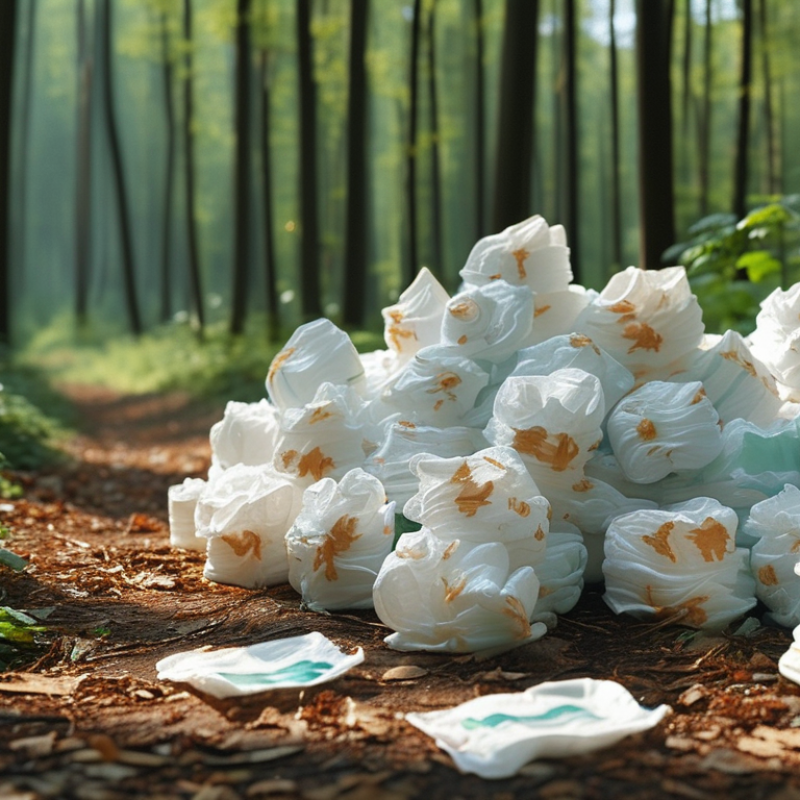
Are Disposable Diapers Bad for the Environment in 2026?

The Environmental Impact of Disposable Diapers in 2026

In 2026, the environmental impact of disposable diapers is significant and concerning. Research indicates that over 20 billion disposable diapers are used annually in the United States alone, contributing to immense landfill waste. These diapers take about 500 years to decompose, raising questions about our long-term sustainability practices. Sunlight, moisture, and heat do not effectively break down synthetic materials in these diapers, leading to persistent pollution.

Furthermore, production processes are resource-intensive. For every ton of disposable diapers produced, approximately 3.5 tons of raw materials are consumed. This includes trees, petroleum, and water. In addition, studies reveal that disposable diapers contribute more than 2.5 million tons of waste each year. The chemicals used in their manufacturing can leach into the soil and waterways, causing potential harm to ecosystems.

While parents seek convenience, the ecological consequences cannot be overlooked. The carbon footprint of disposable diapers is estimated to be around 0.21 metric tons of CO2 emissions per baby each year. This raises critical concerns about our lifestyle choices and their sustainability. Reflecting on these figures can prompt discussions about eco-friendlier options, urging a collective movement towards a greener future.

Factors Contributing to Diaper Waste Accumulation

The environmental impact of disposable diapers is a growing concern in 2026. One major factor contributing to diaper waste is the sheer volume produced. Millions of families rely on these products daily, creating a staggering amount of landfill waste. Disposable diapers can take up to 500 years to decompose. This presents a significant challenge for waste management systems.

Another factor is the materials used in these diapers. Most contain a mix of plastics, gels, and absorbent materials. These components are not biodegradable and can leach chemicals into the soil and water systems. This poses risks to local ecosystems and wildlife. Furthermore, many parents may underestimate the long-term effects of their choices. A lack of awareness about eco-friendly alternatives exacerbates the issue.

Cultural norms around diaper use play a role as well. In many societies, disposable diapers are seen as the default choice. Parents often face pressure to prioritize convenience over sustainability. This mindset can lead to a cycle of waste accumulation that is challenging to break. Addressing these factors requires a shift in perspective and greater emphasis on eco-conscious practices in parenting.

Innovations in Biodegradable Diaper Technology

In recent years, the diaper industry is shifting toward greener alternatives. Biodegradable diapers are emerging as a response to environmental concerns associated with traditional disposable diapers. Research indicates that conventional diapers can take up to 500 years to decompose in landfills. This alarming statistic drives innovation in biodegradable technologies.

New biodegradable diapers are made from materials like plant-based polymers. These materials significantly reduce breakdown time. Some studies show that these diapers can decompose within three to five years. However, challenges remain in maintaining performance while ensuring environmental friendliness. Parents want diapers that are both effective and sustainable. The quest for the perfect balance continues.

While innovations are promising, the industry faces hurdles in scalability. The cost of biodegradable materials can be higher than traditional options. Reports suggest that only 5% of parents currently use biodegradable diapers regularly. Market acceptance is key for these technologies to gain traction. Continued research and consumer education are essential for widespread adoption. The path forward is complex but necessary for a healthier planet.

Environmental Impact of Disposable Diapers (2021-2026)

Comparative Analysis: Disposable vs. Cloth Diapers

The debate over disposable versus cloth diapers continues to intensify as environmental concerns rise. A study by the Environmental Protection Agency revealed that disposable diapers contribute approximately 3.5 million tons of waste annually in the U.S. alone. These diapers take hundreds of years to decompose in landfills. In contrast, cloth diapers, while needing water and energy for washing, can be reused multiple times, significantly reducing waste.

However, the ecological footprint of cloth diapers isn't negligible either. A report from the Journal of Cleaner Production indicates that washing cloth diapers can consume up to 1.5 times more water than using disposable ones over their lifecycle. This raises questions about water scarcity in certain regions. Additionally, cloth diapering requires a considerable amount of energy for laundering. The debate isn't black or white; both options have their environmental tolls.

Parents often seek eco-friendly solutions but may overlook the broader implications. A comprehensive analysis highlighted that the manufacturing processes for both diaper types release greenhouse gases. With both sides having substantial environmental impacts, the choice ultimately depends on individual values and circumstances. Balancing between convenience, environmental responsibility, and practicality reflects the complexity of this decision.

Public Awareness and Consumer Choices in 2026

In 2026, public awareness about the environmental impact of disposable diapers has reached new heights. A 2023 report from the Environmental Protection Agency stated that around 20 billion disposable diapers are thrown away each year in the U.S. alone. That's approximately 3.5 million tons of waste. As parents become more informed, many are reconsidering their choices.

Consumer behaviors are shifting significantly. Eco-friendly alternatives, like cloth diapers, have gained popularity. Market research from the Global Diaper Market Report indicates that the eco-friendly diaper segment could grow by 25% over the next five years. Families are actively seeking brands that prioritize sustainability. They want products made from biodegradable materials. This trend encourages manufacturers to innovate and reduce waste.

It's essential to assess your choices regularly. Consider the environmental footprint of your parenting products. Look for signs of eco-certifications when selecting diapers. Small changes can lead to significant differences. Engaging in community discussions about sustainable practices can amplify your voice. By staying informed, each consumer can contribute to a greener planet.

Are Disposable Diapers Bad for the Environment in 2026? - Public Awareness and Consumer Choices in 2026

Year Public Awareness (%) Preference for Eco-Friendly Options (%) Recycling Initiatives (%) Waste Generated (Million Tons)
2026 75 60 25 2.5
2025 72 55 20 2.7
2024 70 50 15 3.0
2023 68 45 10 3.2

FAQS

: What is the environmental impact of disposable diapers in 2026?

: Disposable diapers significantly contribute to landfill waste, taking around 500 years to decompose.

How many disposable diapers are used annually in the U.S.?

Over 20 billion disposable diapers are used each year in the United States.

What resources are consumed in the production of disposable diapers?

Producing disposable diapers requires about 3.5 tons of raw materials, including trees and water.

How much waste do disposable diapers contribute annually?

Disposable diapers add more than 2.5 million tons of waste to landfills each year.

What is the carbon footprint of disposable diapers per baby?

The carbon footprint is estimated at 0.21 metric tons of CO2 emissions per baby each year.

What are biodegradable diapers made from?

Biodegradable diapers are often made from plant-based polymers that reduce decomposition time.

How long can biodegradable diapers take to decompose?

Some biodegradable diapers can decompose within three to five years under optimal conditions.

What challenges do biodegradable diapers face in the market?

Biodegradable materials often cost more, and only 5% of parents regularly use them.

How is public awareness changing regarding diaper choices?

Families are increasingly seeking eco-friendly options, leading to growth in the eco-friendly diaper market.

Why is it important to assess your diaper choices?

Regular assessment of diaper choices can help reduce environmental impact and promote eco-friendly practices.

Conclusion

In 2026, the discussion surrounding the environmental impact of disposable diapers remains a pressing issue. The accumulation of diaper waste poses significant challenges, with billions of these products ending up in landfills each year. Factors contributing to this waste include the increased birth rates and preferences for convenience among parents. However, innovations in biodegradable diaper technology are gaining traction, offering potential solutions to mitigate the impact of disposable diapers on the environment.

A comparative analysis between disposable and cloth diapers reveals that while cloth diapers provide a reusable option, they also require considerable water and energy for cleaning. Moreover, public awareness in 2026 has heightened, influencing consumer choices significantly. As more parents become educated about the environmental implications of disposable diapers, there is a growing trend toward sustainable practices that prioritize the health of our planet. This shift indicates a more conscientious approach to diaper consumption, ultimately aiming to reduce the disposable diapers environment footprint.


Mason

Mason

Mason is a seasoned marketing professional with a deep expertise in the company's offerings and a passion for driving brand awareness. With a strong background in digital marketing strategies, he has an innate ability to connect with diverse audiences and effectively communicate product benefits.......