Choosing Healthy Baby Diapers can feel surprisingly complicated. A soft package does not guarantee a better choice. Parents must consider fit, absorbency, materials, skin comfort, and everyday practicality. A diaper may look gentle but still cause leaks or red marks after several hours. Small details matter, especially around the waist, thighs, and leg gathers.
This guide shares seven practical tips for making a more informed decision. It considers fragrance, lotions, chlorine processing, absorbent materials, sizing, certifications, and packaging transparency. Reliable information should come from product labels, manufacturer testing, and respected pediatric or dermatology guidance. However, no diaper works perfectly for every baby. Skin sensitivity differs. So does body shape. Real-world testing matters.
Try a small pack first. Watch for redness, chafing, dampness, or unusual odor. Change the diaper regularly, even when it appears only lightly wet. A good fit should feel secure without leaving deep marks. It should also allow comfortable movement during crawling and sleep.
Do not trust marketing alone.
Parents sometimes focus heavily on “natural” wording, while overlooking absorbency or fit. That is an easy mistake. A responsibly chosen product balances safety, comfort, performance, and reasonable cost. These Healthy Baby Diapers tips will help families compare options carefully, ask better questions, and adjust their choices when their baby’s needs change.
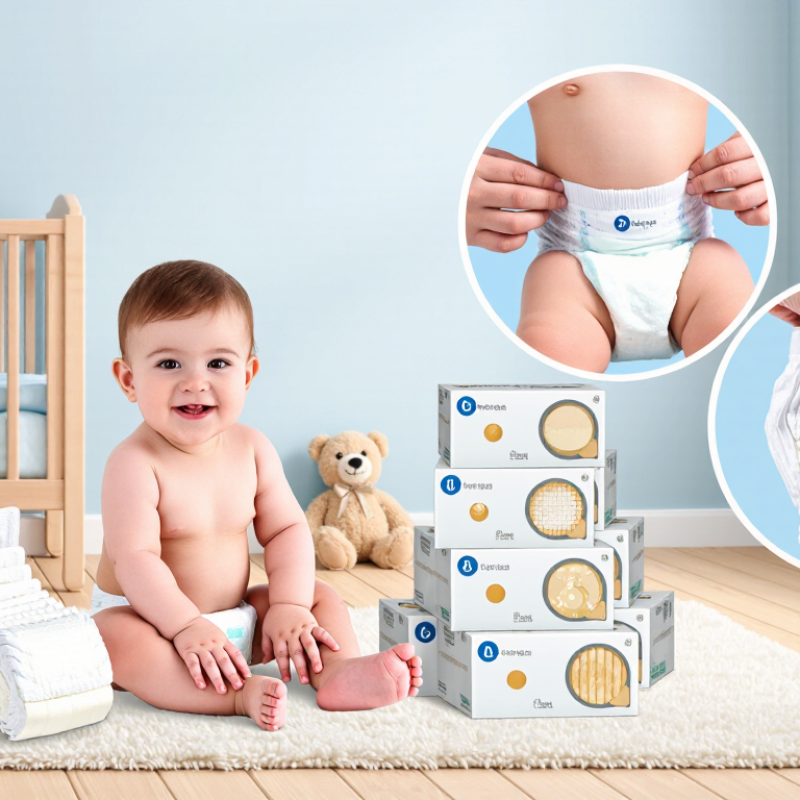
A baby’s skin can look calm in the morning and irritated by evening, so pay attention to patterns, not just one diaper change. Notice where redness appears, whether elastic leaves deep marks, and how often the diaper feels wet. A snug fit should prevent leaks without pressing hard on the waist or thighs. No single style suits every baby.
Skin also responds to heat, moisture, and friction. Change wet or soiled diapers regularly, and gently clean the skin before patting it dry. Letting the area air-dry briefly may help during changes. Keep an eye on how your baby reacts to fragrance or other added ingredients; a simpler option may be worth trying if irritation repeatedly follows a change. Still, diaper rashes can have different causes, and switching products may not solve them.
I might be tempted to blame the diaper right away, but that guess can be wrong. If a rash is severe, persistent, or worsening, contact your pediatrician for guidance. Be practical. A small fit adjustment or a different size can sometimes make a noticeable difference.
A diaper touches a baby’s skin for hours, so check the materials listed on its packaging. Look for details about the soft inner layer, absorbent core, and outer backing. Vague terms such as “plant-based” do not explain how much of the product uses that material. Ask the manufacturer for clearer information when needed. That can take effort.
Check whether the diaper meets current safety standards in your region, and look for verifiable certification details rather than a reassuring logo alone. Standards can address product safety, but they do not guarantee that every baby will tolerate every material. Compare labels across products, including notes about fragrances, lotions, dyes, and latex. A “free-from” claim may be useful, but it does not tell you everything about the ingredients.
Chemical wording can be confusing. If a label does not name specific substances, contact the manufacturer instead of assuming they are present or absent. Keep the packaging or take a photo of its ingredient information; it helps when comparing options later. I find this part frustratingly unclear, and one label rarely answers every question. Watch for redness or discomfort after a change. If irritation persists, ask a healthcare professional for guidance.
Absorbency matters most during naps and overnight, but a thicker diaper is not automatically better. Check how evenly it holds moisture and whether the inner surface feels damp after a change. A simple comparison is to note how often each diaper needs changing under similar conditions. Babies vary, and feeding, age, and sleep patterns can change what works. No diaper is perfect.
Breathability is harder to judge from a package. Look for materials that feel light and flexible, and check your baby’s skin during regular changes. Persistent redness or irritation deserves attention; a pediatrician can help identify possible causes. I used to think a dry surface meant the diaper suited every situation. That was too simple.
Fit and leak protection work together. The waistband should sit comfortably, while leg cuffs lie flat without digging into the skin. After fastening, check for gaps around the thighs, especially when your baby is moving.
If leaks appear at the back, adjust the rise or try a different size; if they happen at the legs, inspect the cuffs. A snug fit should not leave deep marks.
Keep notes for a few days, though even careful comparisons can be imperfect: one diaper may work well by day and less well overnight.
A diaper should fit your baby’s weight and shape, not just their age.
Use the weight range on the package as a starting point, then check the fit. The waistband should sit comfortably below the belly button in newborns, without leaving deep marks.
Fit matters.
You should be able to slide two fingers under the waistband, and the leg cuffs should sit outward to help contain leaks. If tabs barely reach, the diaper often leaves red grooves, or leaks happen repeatedly, try the next size. A larger diaper is not always better; loose leg openings can leak too.
Check diapers often, especially after feeding and naps.
Change one promptly after a bowel movement, and replace wet diapers when they feel damp or heavy. Gently clean the skin and let it dry before fastening a fresh diaper.
Not too tight.
Overnight, a well-fitting diaper may hold more, but change it if it is soiled or leaking. Persistent redness, broken skin, or discomfort deserves attention from a pediatric clinician. It is easy to blame every leak on the diaper, but positioning, a curled cuff, or a rushed change can be the real cause.
A quick fit check can help.
A healthy diaper choice balances waste, household costs, and a baby’s day-to-day comfort. Tip: Compare the cost per usable diaper, not just the package price. Include wipes, laundry detergent, and water when estimating reusable options. Your routine matters, too. The UK Environment Agency’s 2008 life-cycle assessment found that washing and drying habits can substantially affect reusable nappy impacts; line-drying reduced modeled climate impacts by up to 40%. That figure depends on the report’s assumptions, so it is not a promise for every home.
Tip: Check fit after each change. Waistbands should sit comfortably, and leg openings should not leave deep marks or gaps. The American Academy of Pediatrics’ guidance on diaper dermatitis recommends frequent changes; keeping skin clean and dry is practical protection. Watch for persistent redness or discomfort, and ask a pediatric clinician if it continues. Small details matter.
For sustainability, consider how often you can wash full loads and whether you can air-dry diapers. For cost, compare your actual weekly use with local prices and laundry expenses. For comfort, notice leaks, dampness, and skin changes over several days. I would not call one diaper type universally greener or more comfortable. Real-life routines vary, and even a careful estimate can miss something.
Check the inner layer, absorbent core, and outer backing on the packaging. “Plant-based” alone does not explain how much of the diaper uses that material.
Look for verifiable certification details and standards relevant to your region. A reassuring logo alone may not tell you what was checked.
No. Check notes about fragrances, lotions, dyes, and latex, and ask the manufacturer about unclear chemical terms. Keep a photo of the ingredient information for comparisons.
Try diapers under similar conditions and note how often each needs changing. Check whether the inner surface feels damp after use. Thicker isn’t always better.
Feel whether the materials are light and flexible, then check your baby’s skin during changes. I once thought a dry surface meant a diaper suited every situation. That was too simple.
The waistband should feel comfortable, and the leg cuffs should lie flat without digging in. Check for gaps around the thighs while your baby moves. Fit matters.
Use the package weight range as a starting point, then check the fit. Try the next size if tabs barely reach, leaks repeat, or red grooves appear. A larger diaper can still leak if its leg openings are loose.
Check often, especially after feeds and naps, and change promptly after a bowel movement. Clean and dry the skin before fastening a fresh diaper. Persistent redness, broken skin, or discomfort warrants guidance from a pediatric clinician. No diaper is perfect.
Choosing Healthy Baby Diapers starts with understanding your baby’s skin, sensitivities, age, and daily diapering needs. Look for clear information about materials, safety standards, and chemical content, and consider how the diaper’s absorbency, breathability, fit, and leak protection may affect comfort. A diaper should feel secure without being too tight, and the right size can help reduce leaks and irritation.
Change diapers regularly and follow sizing guidance as your baby grows. When comparing options, weigh sustainability and overall cost alongside your baby’s comfort and how well the diaper performs in everyday use. Observing your baby’s skin and adjusting your choice when needed can help you find a practical option that suits your family.

Bangbao