Choosing a Baby Pull-Up Diaper is less about finding one perfect product and more about matching fit, absorbency, and a child’s changing routine. The American Academy of Pediatrics’ guidance on diaper rash emphasizes frequent changes and gentle skin care; it does not endorse a particular diaper brand. That distinction matters. Marketing claims can sound precise, but comfort depends on the child, the fit, and how long the diaper is worn.
Look closely at the waistband, leg cuffs, and size chart. A pull-up should sit snugly without leaving deep red marks. Check whether the packaging explains absorbency, materials, fragrance, and disposal, and compare claims with published product testing where available. Industry market reports describe a wide range of diaper formats, but market growth is not proof that one design performs best for every baby. Small details count: a cuff that gaps during a crawl, or a waistband that rolls under pajamas, can change the whole night.
Skin deserves equal attention. NHS and pediatric guidance commonly advises changing wet or soiled diapers promptly and watching for persistent irritation. If a rash keeps returning, consult a healthcare professional rather than assuming a new diaper will solve it. No single feature wins every day. Even careful buyers may need to try more than one fit, while keeping notes on leaks, comfort, and skin reactions.
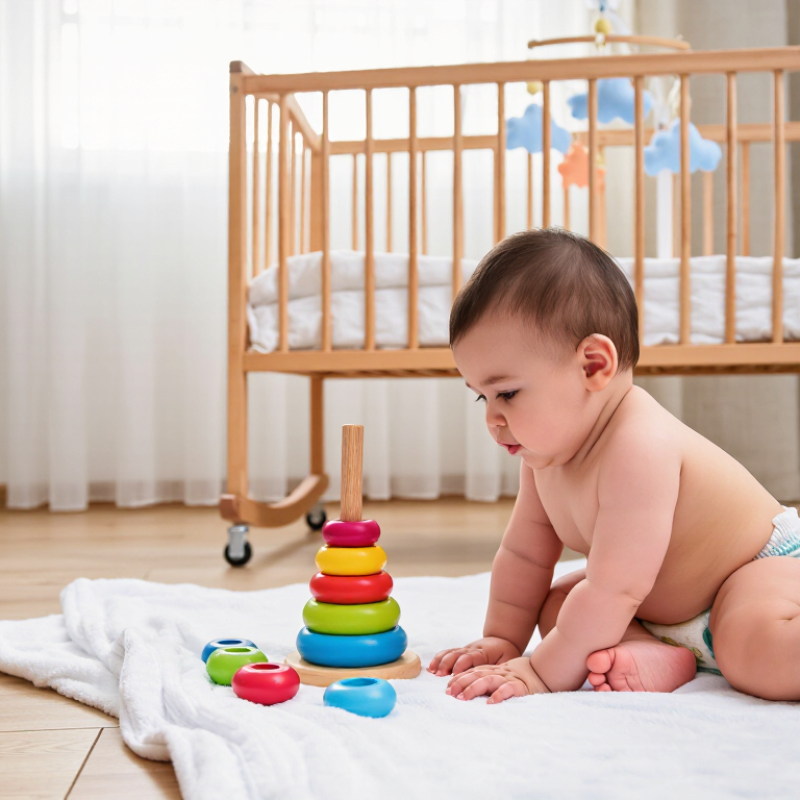
Baby pull-up diapers are disposable diapers shaped like small underwear. Their stretchy waistband lets a caregiver slide one over a baby’s hips. Soft gathers around the legs help reduce leaks while allowing movement. Inside, absorbent layers draw in urine and hold it away from the skin. The outer layer helps protect clothing. Not magic, though.
Many designs have tear-open side seams, which can make removal easier after a messy change. Some include a wetness indicator; others do not. Pull-ups can be handy when a baby is standing, crawling, or resisting a diaper change. For a bowel movement, laying the baby down may still make cleanup easier. A snug, comfortable fit matters: gaps at the legs or waist can let leaks escape, while tight elastic may leave marks.
Check the diaper regularly and change it when wet or soiled. If skin looks irritated, give the area a gentle clean and let it dry before putting on another diaper. A small detail caregivers may overlook is checking the leg cuffs after pulling the diaper up; folded cuffs can affect the fit. Diapering is not always tidy, and one design will not suit every baby.
Pull-up diapers are worn like underwear, with an elastic waistband and leg openings. In many designs, liquid passes through a soft topsheet, spreads through an absorbent core, and is held by absorbent materials such as cellulose and superabsorbent polymer. A water-resistant outer layer helps contain leaks. Layer details vary by diaper.
The numbers show the order of the steps, not measured performance or absorbency.
Start with your baby’s current weight and the diaper’s size chart, but treat the chart as a guide, not a rule. Babies have different builds, and sizing can vary between products. Pull-ups should sit comfortably at the waist without rolling down or digging in. Check that the leg openings lie flat against the skin, with no gaps around the thighs.
Fit matters. After putting one on, run a finger around the waistband and leg openings; it should feel snug, not tight. Look for red marks, repeated leaks, or a waistband that slips during crawling and walking. These signs may mean it is time to try another size or adjust how the diaper sits. Sizing is not perfectly predictable, so a little trial and observation may be needed.
Tips: Check the fit while your baby is standing and moving, not only while lying down. Make sure the absorbent area is centered, and change the diaper when wet or soiled. If irritation continues, pause and ask a pediatric health professional for advice.
Absorbency should match your baby’s routine, not just the diaper’s thickness. For daytime, a pull-up that keeps skin reasonably dry between regular changes may be enough. Overnight, look for a fit that stays snug around the waist and legs without leaving deep marks.
Fit matters. A bulky diaper can still leak if the leg openings gap. Check the inside after naps and note whether wetness is concentrated at the front or back; that detail can guide your next choice.
Disposable diapers also create a material footprint: the U.S. Environmental Protection Agency estimated they made up about 4.1 million tons, or 1.4%, of U.S. municipal solid waste in 2018. That figure describes waste, not absorbency or safety.
Many disposable pull-ups combine a cellulose-based absorbent core with superabsorbent polymer, which holds liquid. Their topsheets and outer layers vary, so feel and breathability can differ. For sensitive skin, consider fragrance-free options and check the ingredient or materials information; no material guarantees rash prevention.
Keep changes regular. If redness persists or worsens, ask a pediatric health professional rather than switching products repeatedly. I’d compare fit and skin response over several days, though that can be hard when babies change quickly.
The EPA data offers useful context, but it cannot tell you which diaper will work best for your child.
A good pull-up should move with a crawling baby without digging into the waist or thighs. Check the leg openings while the child sits and stands; red grooves or repeated leaks may signal a poor fit. The American Academy of Pediatrics’ HealthyChildren.org reports that diaper rash affects up to 50% of babies at some point. Skin matters. Choose a soft, fragrance-free option, and change wet or soiled diapers promptly. If a rash persists or worsens, ask a pediatric clinician rather than assuming the diaper is the only cause.
Tips: Try one diaper during a normal day, including a nap and a messy change. Notice whether the sides tear easily, the waistband stays flat, and the wetness indicator is readable. Check the skin after removal, not only the fit from outside. A snug fit can become too tight after a meal or a long car ride. One calm morning is not enough to judge comfort.
Ease of use depends on the child and the caregiver’s routine. Pull-up designs can help toddlers practice dressing, but lying-down changes may still be easier for younger babies. Keep wipes and a disposal bag within reach, and follow the package directions for removal. Compare fit over several days; movement, naps, and bowel patterns vary. One detail is easy to miss: a diaper that is simple to pull on may be harder to remove after a leak.
Compare the cost per diaper, not just the package price. Divide the price by the number of pull-ups, then consider how often your child needs a change. A cheaper option may cost more if leaks lead to extra laundry or outfit changes. That adds up. Check the size range and pack quantity, too; a large box is poor value if your child outgrows it quickly.
Before buying in bulk, try a small pack during ordinary days and one nap. Check whether the waistband sits flat and the leg openings fit without digging in. Let your child walk, sit, and squat in the pull-up. Look for gaps, damp clothing, or marks on the skin after removal. Keep notes on fit, absorbency, and changes needed. Small details matter.
A single test can mislead. A leak may reflect a poor fit, a long stretch between changes, or a particularly active day. Try a second or third pull-up before judging the product, while changing your usual routine as little as possible. Compare how many you use in a day, not only how dry one pull-up feels. If you notice ongoing irritation, stop using it and ask a pediatric health professional for guidance.
| Comparison Area | What to Check | How to Compare or Test | What to Look For |
|---|---|---|---|
| Price per diaper | Pack price and number of diapers in the pack. | Divide the pack price by the diaper count. Example: $18 ÷ 40 diapers = $0.45 per diaper. | Compare the unit price, not just the pack price. Treat online prices as changeable and check the current checkout total. |
| Estimated monthly cost | Your child’s typical daily diaper use and the unit price. | Multiply diapers used per day by 30, then multiply by the price per diaper. Example: 5 per day × 30 × $0.45 = $67.50. | Use your own usage estimate; actual needs vary by age, routine, and whether another diaper type is used overnight. |
| Pack-size comparison | Unit price across small, medium, or bulk packs. | Calculate the price per diaper for each pack, including delivery fees or discounts that apply at checkout. | A larger pack is worthwhile only if the unit price is lower and the size and fit work for your child. |
| Size and fit | Weight guidance on the package, waistband position, leg openings, and ease of movement. | Check the package sizing guidance, then try one on. Ensure the diaper sits comfortably and is not tight or loose around the waist and thighs. | Fit can vary between children and products. Watch for persistent gaps, red marks, or difficulty pulling the diaper up and down. |
| Leak protection | Leaks at the legs or waist during ordinary daytime use. | Try a small number during familiar activities and check the fit and clothing after wear. Change promptly when soiled. | Look for a secure, comfortable fit with no repeated leaks. A diaper’s performance can depend on fit, absorbency needs, and how often it is changed. |
| Skin comfort | How your child’s skin responds to the materials and fit. | Introduce a new product gradually and check the skin during routine changes. Stop using it if irritation develops and seek medical advice when appropriate. | Comfort is individual. Avoid assuming that a “sensitive skin” description guarantees that a product will suit every child. |
| Ease of changing | Pull-up ease, side seams, and how the diaper can be removed when soiled. | Practice putting it on and taking it off during a calm change; check package instructions for disposal and tear-away sides. | Choose a design that caregivers can manage reliably and that suits your child’s stage and changing routine. |
| Small-pack trial | Whether a small pack or sample is available before buying in bulk. | Test a few diapers before committing to a large pack. Keep the receipt and check the seller’s return policy. | A short trial can reveal fit or comfort issues, but may not predict performance in every situation. |
Cost example: The prices and calculations above are illustrative only, not current product listings or a market-price survey. Replace the example figures with prices and pack counts available to you.
They are disposable diapers shaped like small underwear. A stretchy waistband slides over a baby’s hips. Not magic.
Absorbent layers draw in urine and hold it away from skin. Soft leg gathers help reduce leaks, while the outer layer protects clothing.
They can be handy for babies who stand, crawl, or resist diaper changes. For bowel movements, laying the baby down may make cleanup easier.
It should feel snug but comfortable around the waist and legs. Check for gaps and deep elastic marks. Check cuffs, too.
Check regularly and change it when wet or soiled. After pulling it up, make sure the leg cuffs are not folded.
Match absorbency to your baby’s routine. For overnight use, look for a snug fit without deep marks. Thickness alone can mislead. I’d compare fit over several days, though babies change quickly.
Many disposable pull-ups use a cellulose-based core and superabsorbent polymer. Topsheets and outer layers vary, so texture and breathability can differ.
Consider fragrance-free options and review the materials information. No material guarantees rash prevention. If redness persists or worsens, ask a pediatric health professional.
No. Some designs include one, while others do not. Check the diaper regularly either way.
In 2018, disposable diapers made up about 4.1 million tons, or 1.4%, of U.S. municipal solid waste. That figure describes waste, not a diaper’s absorbency or safety.
Choosing the best Baby Pull-Up Diaper starts with understanding how it works: its pull-on design makes changing easier as babies become more active or begin potty training. A good fit is essential, so check your baby’s weight and body shape, then look for a secure waistband and leg openings that stay comfortable without digging in or leaking. Consider how much absorbency your baby needs during the day or overnight, along with materials that feel soft and breathable.
Comfort and skin safety matter just as much as performance. Look for a gentle interior, avoid features that irritate your baby’s skin, and choose a design that is easy to pull on and remove. To compare costs, calculate the price per diaper rather than relying only on package size. If possible, try a small quantity first and observe the fit, dryness, and your baby’s comfort before buying more.

Bangbao