In 2026, the baby diaper market continues to evolve. Global buyers seek high-quality products for their little ones. With advancements in technology and parenting trends, understanding the best baby diaper brands is crucial.
The demand for eco-friendly and affordable diapers is on the rise. Parents want safe, reliable options to protect their babies. Popular brands are responding to these needs with innovative designs and sustainable materials. However, not all options on the market meet these expectations. Buyers must carefully evaluate product claims and reviews to make informed choices.
Navigating the vast array of baby diaper brands can be challenging. Market research reveals a mix of established names and emerging players. Each brand has its strengths and weaknesses. Parents deserve to know which diapers truly deliver comfort and reliability for their children. This exploration aims to shed light on the top baby diaper brands that stand out in 2026.
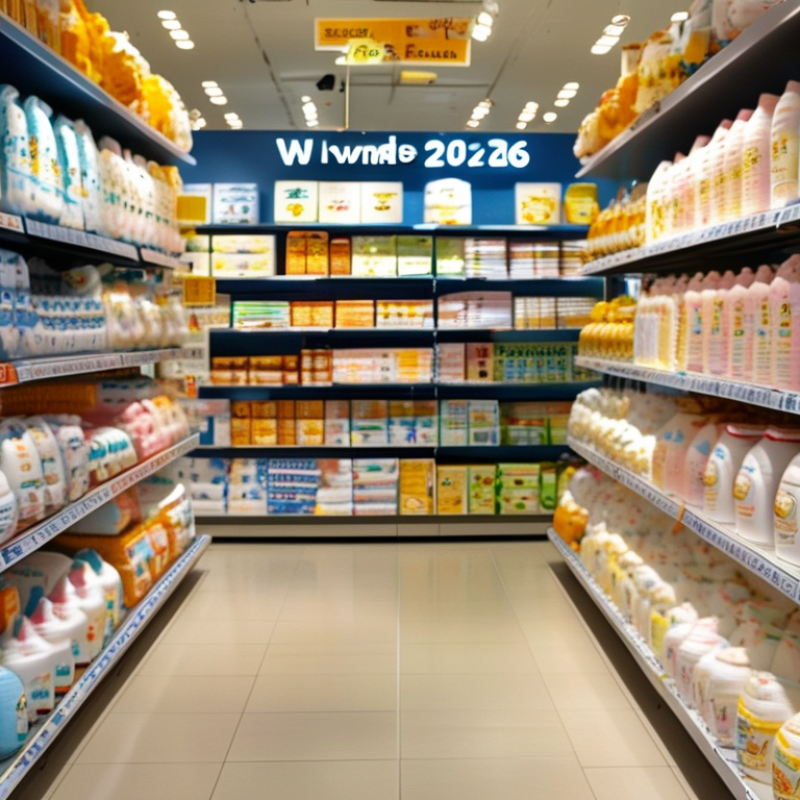
When considering the top baby diaper brands for global buyers in 2026, understanding key features is essential. The market is evolving rapidly. As consumer preferences shift, brands adapt their products to meet diverse needs. Comfort and skin sensitivity are paramount. Diapers must be gentle yet effective.
Many parents seek eco-friendly options. Sustainable materials are increasingly important. This trend reflects a growing awareness of environmental impact. Consumers expect transparency in ingredient sourcing. However, not all brands deliver the same level of commitment. It's worth investigating the lifecycle of these products.
Price is a critical factor too. Affordable options should not compromise quality. Value for money is a significant consideration. Yet, amidst competitive pricing, some brands may cut corners. Researching customer reviews can provide valuable insights. Real user experiences highlight both strengths and weaknesses. Therefore, approaching the market with a discerning eye is vital for making informed decisions.
As we look towards 2026, baby diaper brands face several market trends that will shape their offerings. The global diaper market is expected to reach USD 78.9 billion by 2026, growing at a CAGR of 4.6% from 2021. This growth reflects shifting consumer preferences, driven by a growing awareness of sustainability and environmental impact.
One key trend is the increasing demand for eco-friendly options. Parents today prefer biodegradable and reusable products. In fact, a recent report noted that about 30% of consumers prioritize sustainability when choosing baby products. This trend forces brands to innovate and adapt quickly to meet these new expectations. However, not all brands will succeed. Many will struggle to balance cost and sustainability, leading to potential gaps in the market.
Another significant trend is the rise of e-commerce. Online sales of baby products surged during the pandemic and are expected to remain strong. A survey indicated that 55% of parents prefer purchasing diapers online for convenience. Brands not optimizing their online presence might miss a crucial opportunity. The rapid expansion of direct-to-consumer channels presents both challenges and opportunities for traditional retailers and newer entrants.
In 2026, the diaper industry continues to evolve with significant innovations and features. Sustainability is central to many leading brands. A report by the International Diaper Association indicates that over 40% of consumers prioritize eco-friendly materials. Biodegradable and plant-based options are gaining traction worldwide. These improvements reflect growing environmental concerns among parents.
Absorbency has seen major enhancements, too. Advanced technologies in fabric design have reduced leakage risks. A recent industry analysis noted that new super-absorbent polymers can hold up to 50 times their weight in liquid. This ensures comfort for babies while providing peace of mind for caregivers.
Moreover, parental feedback is crucial in shaping product development. Brands often conduct surveys and focus groups to gather insights on user preferences. While many companies excel at integrating features based on consumer input, some still fall short. They may overlook specific needs, such as size variety or hypoallergenic materials. These gaps highlight areas for improvement within the industry. Continuous innovation and adaptation will ultimately define success in the global diaper market.
| Category | Key Features | Innovations | Target Market |
|---|---|---|---|
| Super Absorbent | High absorbency with a dry-touch layer | Leak-proof technology | Global markets |
| Eco-Friendly | Biodegradable materials | Sustainable production processes | Environmentally conscious consumers |
| Sensitive Skin | Hypoallergenic materials | Natural skin-soothing components | Parents of babies with sensitive skin |
| Premium Fit | Customized fit and flexibility | Adaptive stretch panels | Upscale markets |
| Value Pack | Bulk packaging at affordable prices | Cost-saving innovations | Budget-conscious families |
Sustainable practices are increasingly important for baby diaper manufacturers. Many brands are now using eco-friendly materials. This shift reflects a growing concern for our planet. More diapers are made from biodegradable resources. These materials break down faster than traditional options. Parents want to choose products that reduce environmental impact.
The production process also requires attention. Some manufacturers are investing in renewable energy sources. Switching to solar or wind power can minimize carbon footprints. However, achieving sustainability is not without challenges. Some companies struggle to balance cost and eco-friendliness. Finding the right suppliers for sustainable raw materials can be difficult.
Transparency is crucial in the diaper industry. Parents expect to know how items are made. They want to see brands committed to reducing waste. Some companies provide detailed information on their practices online. Yet, others fall short, not communicating their sustainability efforts well enough. Improvement in this area is vital for building trust in the market.
As we move towards 2026, understanding baby diaper pricing and value becomes crucial for global buyers. The market offers various products, each varying greatly in cost. Many factors affect these prices, such as materials used and production methods. Premium brands often highlight their eco-friendly materials. These choices can lead to higher prices but may not always guarantee better performance.
Consumers might find it challenging to navigate this landscape. Some brands tout enhanced absorption, while others focus on comfort. Parents want value for money. It's essential to look beyond just price tags. Evaluating the diaper's performance and comfort is vital. Diapers that cost less may perform well but could lack in comfort or leakage protection.
This complexity creates a need for informed choices. Buyers must weigh short-term savings against potential long-term costs. Products that perform poorly may lead to more frequent changes, ultimately increasing overall expenses. It is a delicate balance. Understanding product reviews and expert insights helps buyers make more informed decisions.
: Modern diapers focus on sustainability and absorbency. Eco-friendly materials are now a priority for many brands.
Many manufacturers use biodegradable and plant-based materials. This helps reduce environmental impact significantly.
New super-absorbent polymers can hold up to 50 times their weight in liquid. This reduces leaks and increases comfort.
Brands use surveys and focus groups to understand user preferences better. However, some still miss important needs.
Balancing cost with eco-friendliness can be tough. Sourcing sustainable materials is also a common struggle.
Transparency builds trust with parents. They want to know how diapers are made and the brands' sustainability efforts.
No, some brands lack clear communication about their eco-friendly initiatives. This can lead to distrust among consumers.
Yes, size variety and hypoallergenic options are often overlooked by some brands. This needs to be addressed for better products.
Feedback helps shape product features, though some companies fail to integrate it fully. Continuous improvement is necessary.
Parents increasingly seek products that are kinder to the planet. This trend reflects broader environmental concerns in society.
The article "Top Baby Diaper Brands for Global Buyers in 2026" provides a comprehensive overview of the evolving landscape of baby diapers in the coming years. As the market trends shape consumer preferences, buyers will find that innovations in diaper technology focus on enhanced comfort, absorbency, and skin protection. Additionally, sustainable practices are increasingly prioritized by leading manufacturers, reflecting a growing awareness of environmental impact among consumers.
Furthermore, the article delves into comparative analyses of pricing and value, helping global buyers make informed decisions when selecting baby diapers. With these insights, stakeholders will be well-equipped to navigate the dynamic market and choose products meeting both their needs and ethical standards. Overall, the future of baby diaper brands appears promising, marked by advancements and sustainable commitments.
Bangbao